


If you are planning to take the JLPT exam levels, understanding each level from N5 to N1 is essential. The Japanese Language Proficiency Test (JLPT) is the standard for evaluating Japanese language skills for learners and professionals worldwide. This complete guide explains every JLPT level, exam pattern, preparation strategies, and tips to help you succeed. visit this official website.
What is the JLPT Exam?
The JLPT (Japanese Language Proficiency Test) is a standardized test to measure your Japanese language proficiency. Conducted by the Japan Foundation and Japan Educational Exchanges and Services (JEES), the test is recognized globally. It helps students, professionals, and job seekers demonstrate their Japanese skills for education, career advancement, and immigration purposes.
Key Points about the JLPT exam levels:
Five levels from N5 to N1, testing reading, listening, vocabulary, grammar.
- There are five levels: N5, N4, N3, N2, and N1.
- N5 is the beginner level, while N1 is advanced.
- Exams focus on reading, listening, vocabulary, and grammar, with no speaking or writing components.
JLPT Exam Levels (N5 to N1)
The JLPT exam levels are structured to gradually test learners from basic to advanced Japanese. Here’s a breakdown: JLPT Preparation Guide
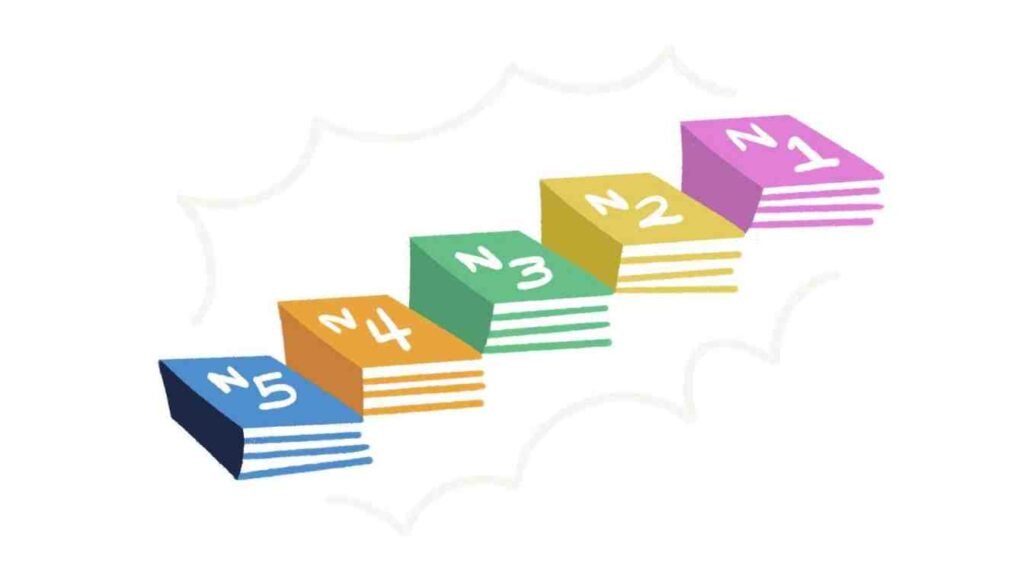
| Level | Skill Focus | Approx. Kanji & Vocabulary | Difficulty |
| N5 | Basic understanding | ~100 kanji, 800 words | Beginner |
| N4 | Elementary | ~300 kanji, 1500 words | Basic |
| N3 | Intermediate | ~650 kanji, 3750 words | Medium |
| N2 | Upper-intermediate | ~1000 kanji, 6000 words | High |
| N1 | Advanced | ~2000 kanji, 10000 words | Very High |
Tip: Start with N5 if you’re a beginner, and progressively move up to N1 to master Japanese comprehensively.
JLPT N5 – The Beginner Level
JLPT N5 is the starting point for learners who want to demonstrate basic Japanese proficiency.
Exam Pattern:
Tests basic vocabulary, grammar, short reading passages, and simple listening conversations effectively.
- Vocabulary & Grammar: Simple daily conversations
- Reading: Short passages and sentences
- Listening: Short conversations and questions
Preparation Tips for JLPT N5:
Learn essential kanji and vocabulary, practice listening, and follow a structured study guide.
- Focus on basic kanji and 800 essential vocabulary words
- Practice listening to simple Japanese audio
- Use a JLPT N5 study guide for structured learning
JLPT N4 – Elementary Level
JLPT N4 evaluates your understanding of basic Japanese used in everyday situations.

Exam Pattern:
Tests vocabulary, grammar, reading comprehension, and listening skills through everyday Japanese dialogues.
- Vocabulary & Grammar: Simple dialogues
- Reading: Short texts and notices
- Listening: Daily life conversations
Preparation Tips for JLPT N4:
Learn 300 kanji, 1500 words, practice reading, writing, and take mock tests.
- Learn around 300 kanji and 1500 vocabulary words
- Practice short essays and reading comprehension
- Take mock tests to improve speed and accuracy
JLPT N3 – Intermediate Level
JLPT N3 bridges the gap between basic and advanced Japanese. It evaluates practical Japanese skills used in daily life and work.

Exam Pattern
Tests vocabulary, grammar, reading comprehension, and listening skills through passages, conversations, and practical daily Japanese usage.
- Language Knowledge: Vocabulary & Grammar
- Reading: Longer passages and simple articles
- Listening: Everyday conversation and announcements
Preparation Tips for JLPT N3:
Learn 650 kanji, 3750 words, read Japanese articles, practice listening, and follow structured study schedules.
- Focus on 650 kanji and 3750 vocabulary words
- Practice reading newspapers and short stories in Japanese
- Use JLPT exam preparation tips for effective study schedules
JLPT N2 – Upper-Intermediate Level
JLPT N2 measures your ability to understand Japanese used in everyday and professional situations.

Exam Pattern:
Tests vocabulary, grammar, reading comprehension, and listening skills through progressively challenging Japanese content.
- Vocabulary & Grammar: Complex sentences
- Reading: Newspaper articles, essays, and reports
- Listening: News, lectures, and conversations
Preparation Tips for JLPT N2:
Learn 1000 kanji, 6000 words, read newspapers, novels, and practice formal listening daily.
- Learn around 1000 kanji and 6000 vocabulary words
- Practice reading Japanese newspapers and novels
- Focus on listening exercises with formal and informal contexts
JLPT N1 – Advanced Level
JLPT N1 is the most advanced level and demonstrates high Japanese proficiency for work or academic purposes.
Exam Pattern:
Tests vocabulary, grammar, reading comprehension, and listening across all JLPT levels.
- Language Knowledge: Advanced grammar and idioms
- Reading: Academic texts, editorials, and technical articles
- Listening: Complex discussions and lectures
Preparation Tips for JLPT N1:
Learn 2000 kanji, 10,000 words, read advanced texts, practice listening daily.
- Learn approximately 2000 kanji and 10000 vocabulary words
- Practice reading advanced Japanese literature and news
- Focus on listening comprehension of fast and nuanced speech
JLPT Exam Pattern – Common Structure
All JLPT levels follow a structured format to test Japanese language skills:
- Language Knowledge (Vocabulary & Grammar):
Tests your understanding of kanji, vocabulary, and sentence structures. - Reading:
Assesses comprehension through passages of increasing difficulty. - Listening:
Evaluates your ability to understand spoken Japanese in various contexts.
Tips for All JLPT Levels
Consistently study daily, practice kanji, take mock tests, read passages, and listen to Japanese media.
- Create a Daily Study Plan: Consistency is key for steady improvement.
- Take Mock Tests Regularly: Track your progress and improve speed and accuracy.
- Focus on Kanji Recognition & Sentence Patterns: Strengthen your reading and grammar skills.
- Listen to Japanese Media: Podcasts, news, and dramas improve listening comprehension naturally.
Pro Tip: Combine reading, listening, and vocabulary practice every day for optimal results.
JLPT Preparation Tips
No matter your JLPT level, following these tips can boost your score:
- Use a Structured Study Guide – Begin with a JLPT guide to organize your learning effectively.
- Flashcards for Kanji & Vocabulary – Memorize kanji and essential words using flashcards.
- Daily Reading Practice – Read short passages every day to improve comprehension.
- Listen to Japanese Media – Watch Japanese podcasts, news, or dramas to enhance listening skills.
- Regular Mock Tests – Take practice exams to track your progress and improve speed.
Pro Tip: Combine reading, listening, and kanji practice daily for best results. JLPT Levels
FAQs About JLPT Exam Levels
Q1: What is the JLPT N5 exam?
A: JLPT N5 is the beginner-level Japanese proficiency test focusing on basic grammar, vocabulary, reading, and listening skills.
Q2: How to pass JLPT N2?
A: Study 1000 kanji, 6000 vocabulary words, practice reading and listening, and follow a JLPT N2 study guide.
Q3: What is the difference between JLPT N3 and N4?
A: N3 is intermediate, testing more vocabulary, grammar, and reading comprehension. N4 is elementary and simpler.
Q4: How many kanji are required for JLPT N1?
A: Approximately 2000 kanji are required for N1.
Q5: When is the next JLPT exam date?
A: The JLPT is usually conducted twice a year in July and December. Check the official JLPT site for the exact schedule.
Conclusion
Understanding the JLPT exam levels is crucial for planning your Japanese language journey. From N5 beginner level to N1 advanced level, each stage helps you develop reading, listening, and vocabulary skills. Using structured study guides, practicing kanji, and following effective JLPT preparation tips can greatly improve your chances of success.
Start your JLPT preparation journey today with our expert guides, practice tests, and tips to achieve your desired level! Japanese Language Proficiency Test